Croatia and Europe Travel Tips for Your Next Coastal Trip
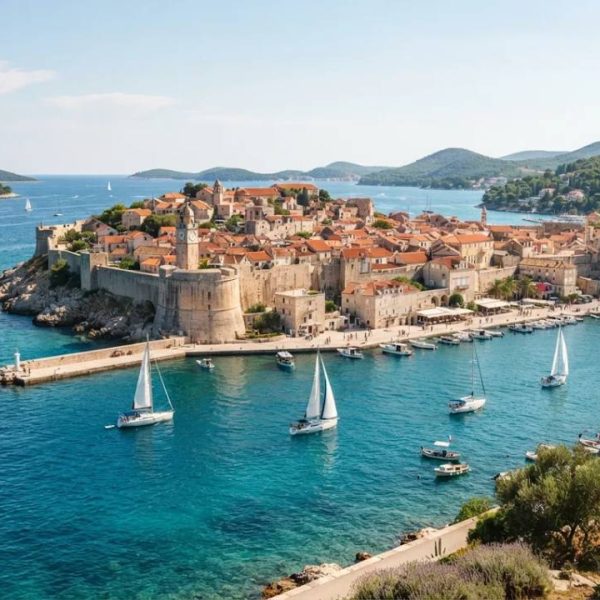
Croatia has become one of the favorite destinations in Europe, and it is easy to see why. The coast offers clear water, old stone towns and hundreds of islands, while the interior has national parks, wine regions and quiet villages. A good plan helps you enjoy the best of it without stress. This travel guide covers when to go, where to stay, how to move around, what to eat and how to prepare paperwork if you plan a longer stay in Europe.
Pick the Right Season
July and August bring hot weather, warm sea and large crowds. May, June, September and early October offer pleasant temperatures, lower prices and easier bookings. Winter is quiet and many coastal businesses close, but cities like Zagreb still offer a lively atmosphere with Christmas markets.
For most travelers, the shoulder seasons give the best balance of weather, prices and calm.
Choose Your Base on the Coast
Dubrovnik is famous for its walled old town, Split combines a Roman palace with a lively waterfront and Zadar offers sunsets and sea organ music. Rovinj and Pula in Istria bring Italian influence and excellent food. Choose two or three bases instead of moving every night.
Fewer moves mean more time to enjoy each place.
Explore the Islands
Hvar, Korcula, Vis and Brac each have their own character. Ferries run frequently in season, but schedules change, so check them early. Book cars or scooters in advance if you need them, and consider staying overnight to enjoy quiet evenings after day visitors leave.
Island time is slow and wonderful.
Visit the National Parks
Plitvice Lakes, Krka and Paklenica offer waterfalls, forests and canyons. Buy tickets online when possible, arrive early and wear good shoes. Information from the Croatian National Tourist Board helps with seasonal events, opening hours and regional highlights.
Nature is the quieter side of Croatia.
Move Around Easily
Buses connect most cities and are comfortable and affordable. Renting a car gives freedom in Istria and along the coast, but parking in old towns is limited. Ferries link islands, and domestic flights save time between north and south.
Choose transport based on your route and patience for traffic.
Eat and Drink Well
Try fresh seafood, grilled fish, black risotto, peka cooked under a bell, truffle dishes in Istria and local wines. Small family taverns often offer the best value. Ask about the daily catch and local specialties, and leave time for a long lunch.
Food is a major reason to love the region.
Practical Money and Safety Tips
Croatia uses the euro, cards are widely accepted and cash is useful in small places. The country is generally safe, but protect valuables in crowded areas, use sunscreen and drink water in hot weather. Keep emergency numbers and insurance details handy.
Basic care keeps a holiday smooth.
Staying Longer in Europe
Many travelers become digital nomads or move for study and work. Residence offices may ask for documents such as criminal record certificates, birth records and diplomas in the local language. Our guide on police clearance certificate translation explains how these papers are usually prepared and why accurate wording matters.
Prepare documents early because processing can take weeks.
Language Help on the Road
English is widely spoken in tourist areas, but a few Croatian words are appreciated. Learn hello, thank you and please. For contracts, rental agreements or official forms, professional croatian translation services can help visitors and residents understand obligations before signing.
A small effort with the language opens warm conversations.
Sample Itinerary for Ten Days
Spend two days in Zagreb, one day at Plitvice, three days in Split with a day trip to Trogir or Krka, two days on Hvar and two days in Dubrovnik. Add a flexible half day for rain or rest. Adjust based on your interests.
A balanced itinerary mixes cities, nature and sea.
Beaches and Swimming Tips
Many beaches are pebbly, so water shoes are useful. Look for quieter coves away from town and respect local signs about swimming zones and protected areas. Bring water, shade and a small snack, since remote beaches may have no shops.
Small preparations make beach days more comfortable.
Culture and Festivals
Music, folk dances, summer festivals and food fairs fill the calendar. Ask locals about events, as small village celebrations are often the most memorable. Dress modestly in churches and respect quiet hours in residential areas.
Local culture is generously shared with respectful visitors.
Sustainable Travel Choices
Support family owned places, avoid peak hour crowds in fragile spots, carry a reusable bottle and take rubbish with you. Choosing slower travel and longer stays reduces pressure on popular sites.
Responsible visitors help keep Croatia beautiful.
A Short Packing List
Pack light clothes, a sun hat, comfortable shoes, swimwear, a light jacket for evenings, a power adapter and copies of your documents. Download offline maps and keep a small first aid kit.
Light luggage makes island hopping easy.