A Balkan Road Trip From Croatia to Montenegro
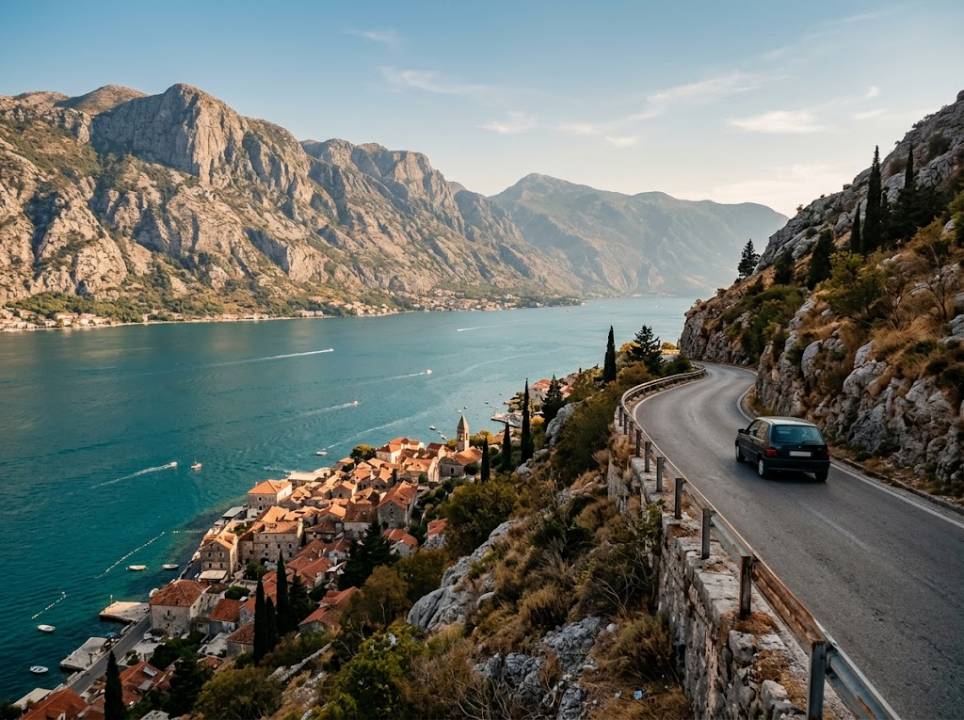
Few drives in Europe pack as much variety into so few kilometres as the route from central Croatia to Montenegro. In a single week you can swim in the Adriatic, cross an Ottoman bridge in Bosnia and Herzegovina, walk the walls of Dubrovnik and wind your way around the fjord-like Bay of Kotor.
A Balkan road trip rewards curious travellers with history, food and scenery at every turn. With a little planning for borders, roads and languages, it is one of the most rewarding self-drive holidays in Europe.
Day 1 to 2: Split and the Dalmatian Coast
Start in Split, where Roman Emperor Diocletian's palace still forms the heart of the old town. Cafes, shops and homes are built into ancient walls. Spend a day exploring, then take a short trip to the waterfalls of Krka National Park or the island of Brač for its famous beaches.
Day 3: Inland to Mostar
Drive inland into Bosnia and Herzegovina to Mostar. The Old Bridge, rebuilt after the war, arches over the emerald Neretva river. Watch local divers leap from the bridge, wander the cobbled bazaar and try ćevapi with fresh bread. Nearby, the Kravica waterfalls and the dervish house at Blagaj make excellent stops.
Day 4 to 5: Dubrovnik
Return to the coast and continue to Dubrovnik. Walk the city walls early in the morning before the heat and crowds arrive, take the cable car for sunset views, and explore quieter streets away from the main promenade. Day trips to the Elaphiti islands or the Pelješac peninsula, famous for oysters and red wine, are well worth it.
The official Croatian National Tourist Board website lists events, opening times and practical information for every region along the coast.
Day 6 to 7: Kotor and the Montenegrin Coast
Cross into Montenegro and follow the road around the Bay of Kotor. The medieval town of Kotor sits beneath dramatic mountains. Climb the steps to the fortress for one of the best views in the Balkans. Perast, with its island churches, and the beaches of Budva complete the trip.
Driving Tips
- Check that your car rental allows border crossings and has the right insurance documents.
- Carry your passport, driving licence and vehicle documents at all times.
- Expect queues at borders in summer, especially at weekends.
- Coastal roads are scenic but narrow, so drive carefully and allow extra time.
- Keep some local currency for tolls, parking and small shops.
Languages Along the Route
Croatian, Bosnian, Serbian and Montenegrin are closely related, and English is widely spoken in tourist areas. In smaller villages, a few local words help: hvala for thank you, molim for please, and dobar dan for good day.
Montenegro also has a large Russian-speaking community, and many property listings, rental contracts and local services along the coast are offered in Russian. Travellers or long-stay visitors dealing with leases or official paperwork sometimes turn to professional russian translation services to understand documents precisely.
German is another language you will often hear, as German-speaking tourists have visited the Adriatic for decades. Many tour operators, campsites and rental agencies publish information in German, and businesses catering to these guests rely on german translation services for brochures, websites and booking conditions.
For complex cases such as certified paperwork or long-term contracts, many travellers prefer to work with professional translation services that combine native linguists with legal and administrative expertise. A seasoned provider can review rental agreements, insurance policies and residence permits before you sign them, flagging clauses that really matter. This extra step is especially useful when documents exist only in Croatian, Bosnian or Montenegrin and the stakes are high. Spending a little on accuracy up front is far cheaper than untangling a misunderstood contract later.
What to Eat
Seafood dominates on the coast: grilled fish, black risotto, octopus salad and mussels. Inland, try slow-cooked meat under a bell lid called peka, burek pastries and fresh cheeses. Local wines from Pelješac and the Montenegrin coast pair beautifully with both.
Best Time to Go
May, June and September offer warm weather, warm seas and fewer crowds than July and August. Spring is ideal for hiking and waterfalls, while autumn brings harvest festivals and quieter old towns.
Responsible Travel
Popular places like Dubrovnik and Kotor face heavy tourist pressure. Visit early or late in the day, stay in locally owned accommodation, eat in family restaurants and respect local residents. Learning a little about the region's recent history helps you understand the places you visit more deeply.
Where to Stay
Private apartments and family-run guesthouses are common along the entire route and often offer better value than hotels. Hosts usually share excellent tips about hidden beaches, viewpoints and restaurants. Booking ahead is wise in July and August, while in spring and autumn you can often find rooms on the spot.
Paperwork for Longer Stays
Some travellers fall in love with the region and return for months at a time, working remotely or even buying a holiday home. Longer stays bring paperwork: residence registrations, rental agreements, utility contracts and sometimes property purchase documents. French and Belgian visitors, who increasingly discover the Balkans, often need contracts and certificates translated between French and English or the local language. Working with french document translation services helps ensure that what you sign matches what you understood, which avoids costly surprises later.
The Road Ahead
A road trip from Croatia to Montenegro combines sea, mountains, history and hospitality in one unforgettable journey. Take it slowly, talk to locals and leave room for detours, because the best Balkan moments are often the ones you did not plan.
Few drives in Europe pack as much variety into so few kilometres as the route from central Croatia to Montenegro. In a single week you can swim in the Adriatic, cross an Ottoman bridge in Bosnia and Herzegovina, walk the walls of Dubrovnik and wind your way around the fjord-like Bay of Kotor.
Few drives in Europe pack as much variety into so few kilometres as the route from central Croatia to Montenegro. In a single week you can swim in the Adriatic, cross an Ottoman bridge in Bosnia and Herzegovina, walk the walls of Dubrovnik and wind your way around the fjord-like Bay of Kotor.
A Balkan road trip rewards curious travellers with history, food and scenery at every turn. With a little planning for borders, roads and languages, it is one of the most rewarding self-drive holidays in Europe.
A Balkan road trip rewards curious travellers with history, food and scenery at every turn. With a little planning for borders, roads and languages, it is one of the most rewarding self-drive holidays in Europe.
Day 1 to 2: Split and the Dalmatian Coast
Start in Split, where Roman Emperor Diocletian's palace still forms the heart of the old town. Cafes, shops and homes are built into ancient walls. Spend a day exploring, then take a short trip to the waterfalls of Krka National Park or the island of Brač for its famous beaches.
Start in Split, where Roman Emperor Diocletian's palace still forms the heart of the old town. Cafes, shops and homes are built into ancient walls. Spend a day exploring, then take a short trip to the waterfalls of Krka National Park or the island of Brač for its famous beaches.
Day 3: Inland to Mostar
Drive inland into Bosnia and Herzegovina to Mostar. The Old Bridge, rebuilt after the war, arches over the emerald Neretva river. Watch local divers leap from the bridge, wander the cobbled bazaar and try ćevapi with fresh bread. Nearby, the Kravica waterfalls and the dervish house at Blagaj make excellent stops.
Drive inland into Bosnia and Herzegovina to Mostar. The Old Bridge, rebuilt after the war, arches over the emerald Neretva river. Watch local divers leap from the bridge, wander the cobbled bazaar and try ćevapi with fresh bread. Nearby, the Kravica waterfalls and the dervish house at Blagaj make excellent stops.
Day 4 to 5: Dubrovnik
Return to the coast and continue to Dubrovnik. Walk the city walls early in the morning before the heat and crowds arrive, take the cable car for sunset views, and explore quieter streets away from the main promenade. Day trips to the Elaphiti islands or the Pelješac peninsula, famous for oysters and red wine, are well worth it.
Return to the coast and continue to Dubrovnik. Walk the city walls early in the morning before the heat and crowds arrive, take the cable car for sunset views, and explore quieter streets away from the main promenade. Day trips to the Elaphiti islands or the Pelješac peninsula, famous for oysters and red wine, are well worth it.
The official Croatian National Tourist Board website lists events, opening times and practical information for every region along the coast.
The official Croatian National Tourist Board website lists events, opening times and practical information for every region along the coast.
Day 6 to 7: Kotor and the Montenegrin Coast
Cross into Montenegro and follow the road around the Bay of Kotor. The medieval town of Kotor sits beneath dramatic mountains. Climb the steps to the fortress for one of the best views in the Balkans. Perast, with its island churches, and the beaches of Budva complete the trip.
Cross into Montenegro and follow the road around the Bay of Kotor. The medieval town of Kotor sits beneath dramatic mountains. Climb the steps to the fortress for one of the best views in the Balkans. Perast, with its island churches, and the beaches of Budva complete the trip.
Driving Tips
- Check that your car rental allows border crossings and has the right insurance documents.
- Carry your passport, driving licence and vehicle documents at all times.
- Expect queues at borders in summer, especially at weekends.
- Coastal roads are scenic but narrow, so drive carefully and allow extra time.
- Keep some local currency for tolls, parking and small shops.
Languages Along the Route
Croatian, Bosnian, Serbian and Montenegrin are closely related, and English is widely spoken in tourist areas. In smaller villages, a few local words help: hvala for thank you, molim for please, and dobar dan for good day.
Croatian, Bosnian, Serbian and Montenegrin are closely related, and English is widely spoken in tourist areas. In smaller villages, a few local words help: hvala for thank you, molim for please, and dobar dan for good day.
Montenegro also has a large Russian-speaking community, and many property listings, rental contracts and local services along the coast are offered in Russian. Travellers or long-stay visitors dealing with leases or official paperwork sometimes turn to professional russian translation services to understand documents precisely.
Montenegro also has a large Russian-speaking community, and many property listings, rental contracts and local services along the coast are offered in Russian. Travellers or long- stay visitors dealing with leases or official paperwork sometimes turn to professional russian translation services to understand documents precisely.
German is another language you will often hear, as German-speaking tourists have visited the Adriatic for decades. Many tour operators, campsites and rental agencies publish information in German, and businesses catering to these guests rely on german translation services for brochures, websites and booking conditions.
German is another language you will often hear, as German-speaking tourists have visited the Adriatic for decades. Many tour operators, campsites and rental agencies publish information in German, and businesses catering to these guests rely on german translation services for brochures, websites and booking conditions.
What to Eat
Seafood dominates on the coast: grilled fish, black risotto, octopus salad and mussels. Inland, try slow-cooked meat under a bell lid called peka, burek pastries and fresh cheeses. Local wines from Pelješac and the Montenegrin coast pair beautifully with both.
Seafood dominates on the coast: grilled fish, black risotto, octopus salad and mussels. Inland, try slow-cooked meat under a bell lid called peka, burek pastries and fresh cheeses. Local wines from Pelješac and the Montenegrin coast pair beautifully with both.
Best Time to Go
May, June and September offer warm weather, warm seas and fewer crowds than July and August. Spring is ideal for hiking and waterfalls, while autumn brings harvest festivals and quieter old towns.
May, June and September offer warm weather, warm seas and fewer crowds than July and August. Spring is ideal for hiking and waterfalls, while autumn brings harvest festivals and quieter old towns.
Responsible Travel
Popular places like Dubrovnik and Kotor face heavy tourist pressure. Visit early or late in the day, stay in locally owned accommodation, eat in family restaurants and respect local residents. Learning a little about the region's recent history helps you understand the places you visit more deeply.
Popular places like Dubrovnik and Kotor face heavy tourist pressure. Visit early or late in the day, stay in locally owned accommodation, eat in family restaurants and respect local residents. Learning a little about the region's recent history helps you understand the places you visit more deeply.
Where to Stay
Private apartments and family-run guesthouses are common along the entire route and often offer better value than hotels. Hosts usually share excellent tips about hidden beaches, viewpoints and restaurants. Booking ahead is wise in July and August, while in spring and autumn you can often find rooms on the spot.
Private apartments and family-run guesthouses are common along the entire route and often offer better value than hotels. Hosts usually share excellent tips about hidden beaches, viewpoints and restaurants. Booking ahead is wise in July and August, while in spring and autumn you can often find rooms on the spot.
Paperwork for Longer Stays
Some travellers fall in love with the region and return for months at a time, working remotely or even buying a holiday home. Longer stays bring paperwork: residence registrations, rental agreements, utility contracts and sometimes property purchase documents. French and Belgian visitors, who increasingly discover the Balkans, often need contracts and certificates translated between French and English or the local language. Working with french document translation services helps ensure that what you sign matches what you understood, which avoids costly surprises later.
Some travellers fall in love with the region and return for months at a time, working remotely or even buying a holiday home. Longer stays bring paperwork: residence registrations, rental agreements, utility contracts and sometimes property purchase documents. French and Belgian visitors, who increasingly discover the Balkans, often need contracts and certificates translated between French and English or the local language. Working with french document translation services helps ensure that what you sign matches what you understood, which avoids costly surprises later.
The Road Ahead
A road trip from Croatia to Montenegro combines sea, mountains, history and hospitality in one unforgettable journey. Take it slowly, talk to locals and leave room for detours, because the best Balkan moments are often the ones you did not plan.
A road trip from Croatia to Montenegro combines sea, mountains, history and hospitality in one unforgettable journey. Take it slowly, talk to locals and leave room for detours, because the best Balkan moments are often the ones you did not plan.